
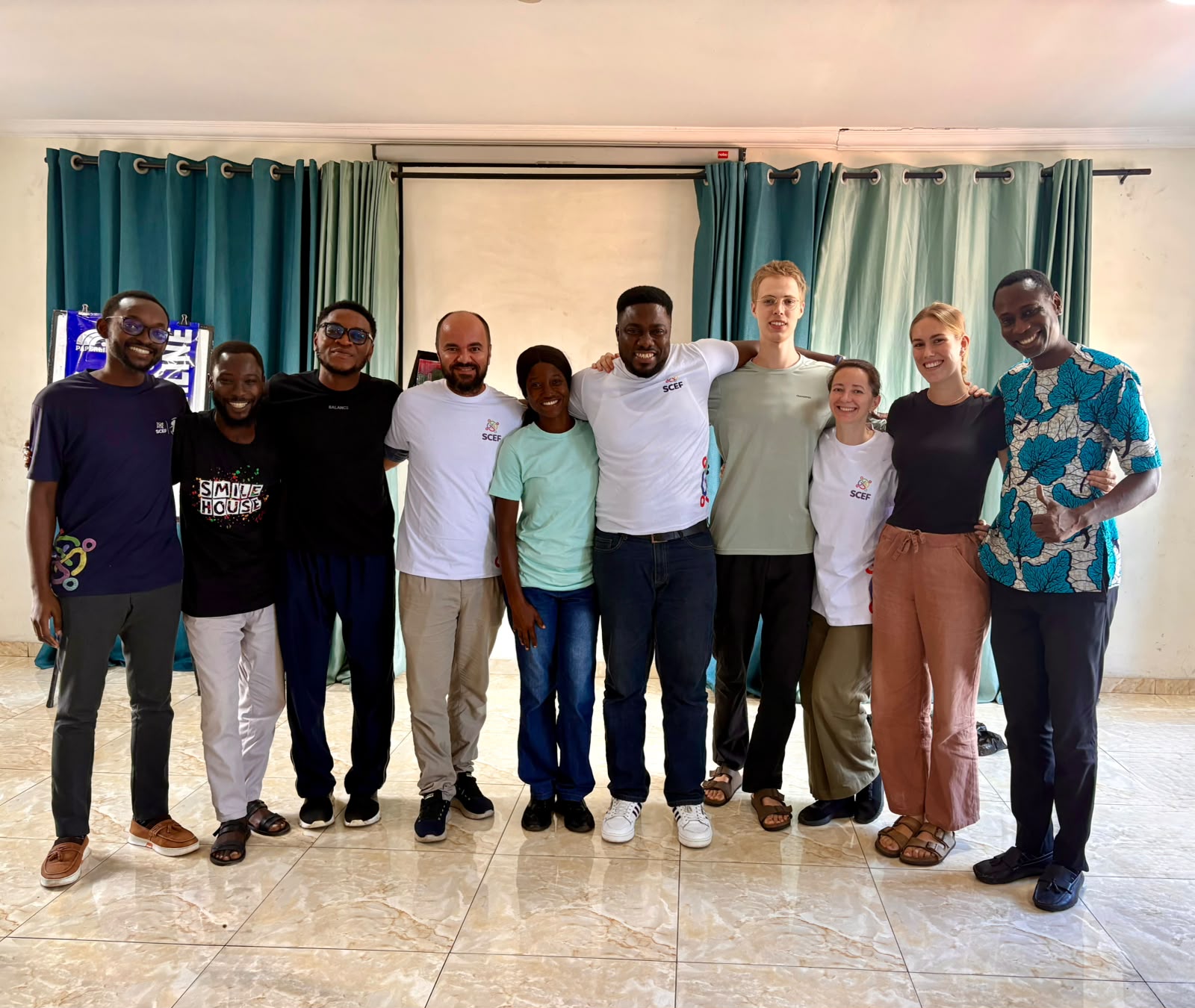
In collaboration with Street Children Empowerment Foundation (SCEF), a local organisation working with street-connected children and youth in Accra, a group of 12 participants - including management, staff members and volunteers - came together for ten days of implementation workshops. The sessions were guided by the SCEF management and by StreetSmart master trainers Andrei Craciun and Ioana Nistor from Save the Children Iasi in Romania, where one of the longest-running Mobile School projects is embedded. Building on this extensive experience, they brought a strong foundation of practice and insights to support SCEF in launching and shaping their own outreach work.
Starting from practice
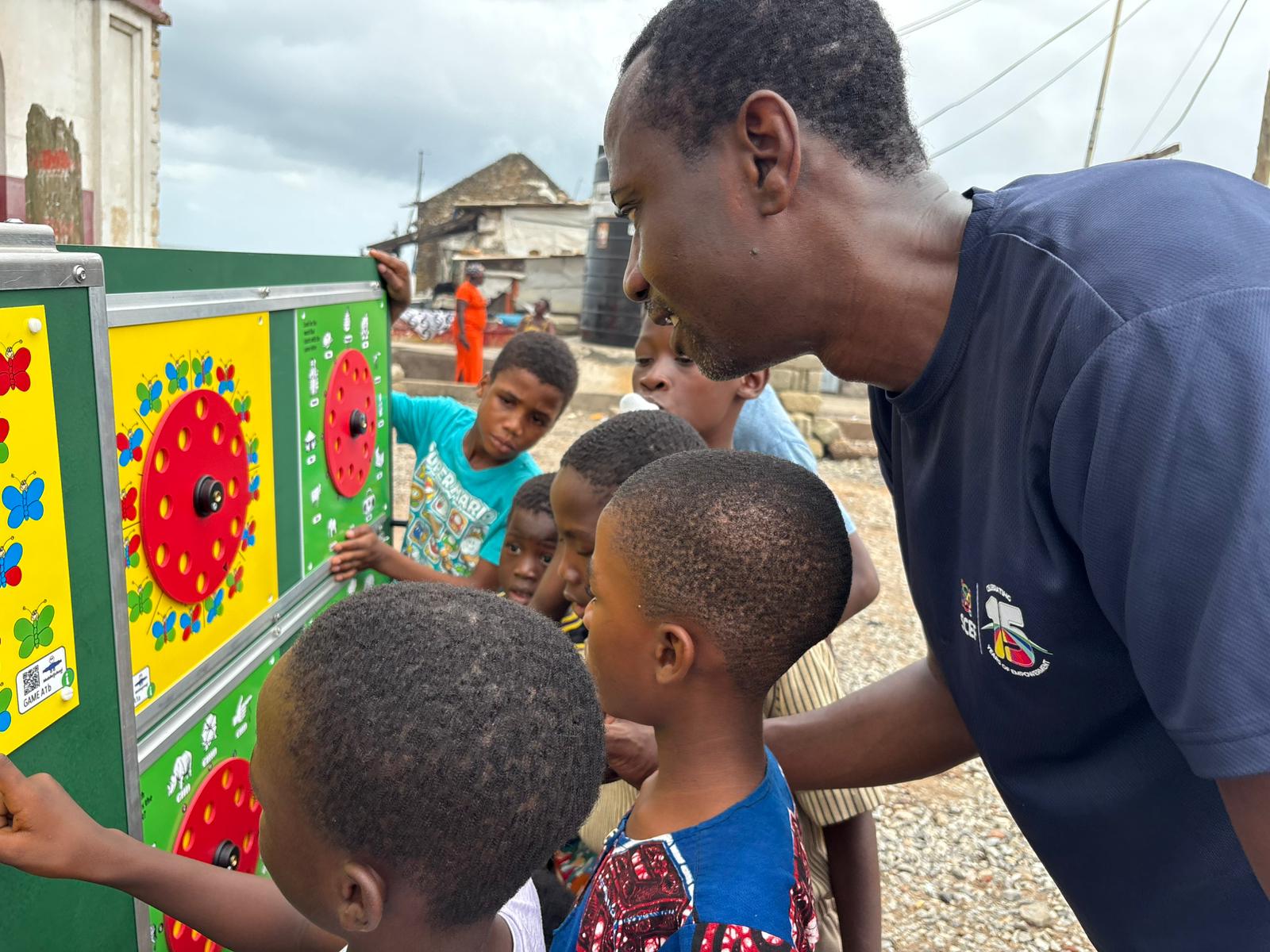
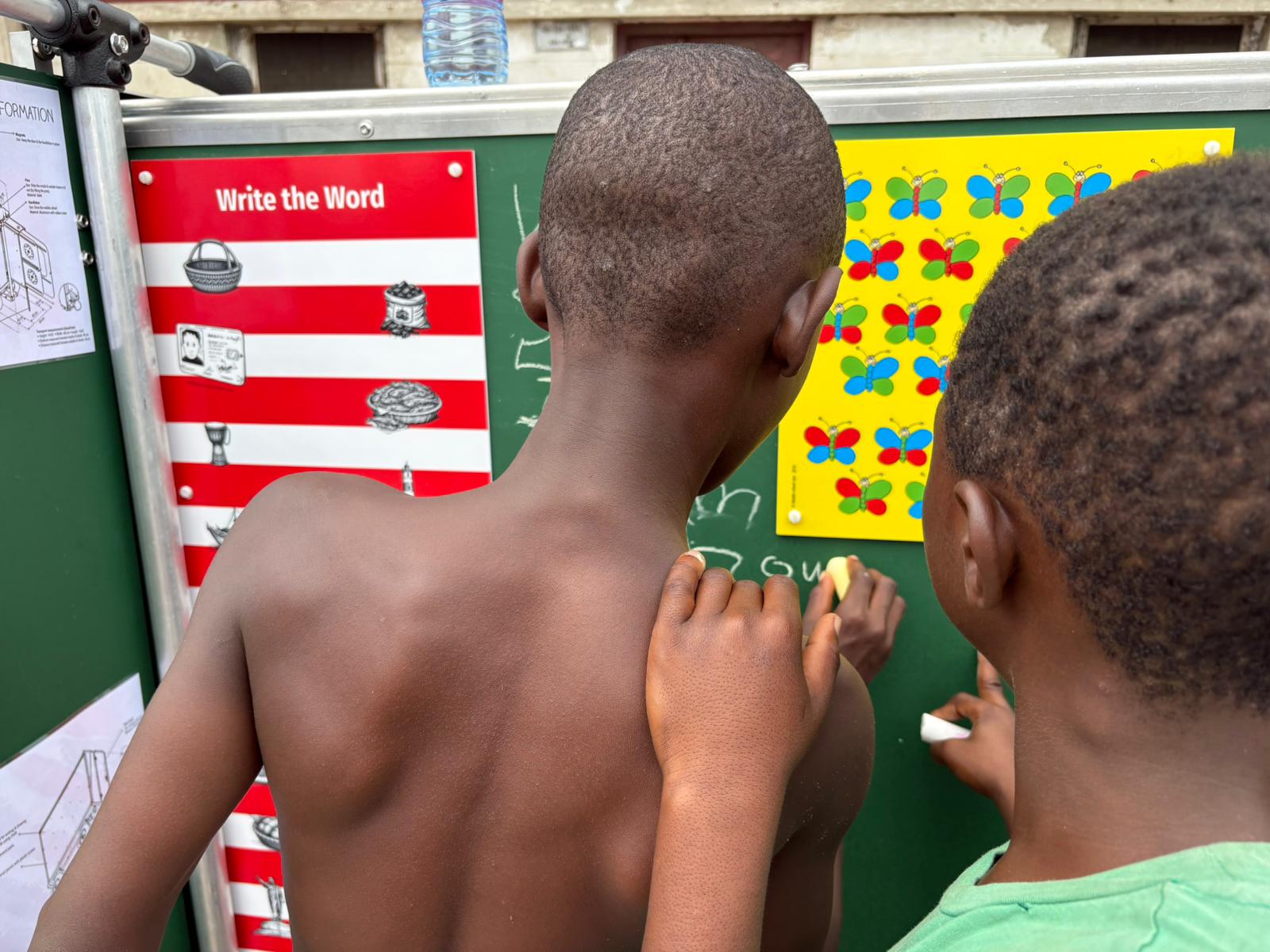
Across many urban contexts, young people end up spending a large part of their time in the streets - often driven by economic pressure, migration to cities or limited access to formal systems. In these environments, building trust and meaningful interaction is key. The Mobile School is designed to create that interaction in public space. During the implementation in Ghana, participants explored how to adapt the panels to their own realities - testing activities, observing reactions, and reflecting on what works (and what doesn’t). Rather than introducing a fixed method, the process invited practitioners to experiment. How do you approach young people? How do you build trust? When do you use structure, and when do you let the moment lead?
A key part of the workshop was peer exchange. Experiences were shared openly - across roles, from management to volunteers, and grounded in daily street work practice. What emerged was not one single approach, but a range of strategies shaped by local knowledge. This exchange is essential. The Mobile School is not a standalone solution; it becomes meaningful through the people who use it.
From tool to practice
By the end of the workshop, the focus had shifted. The Mobile School was no longer seen as something new or external, but as a tool integrated in daily outreach. Participants left with concrete ideas for their own work: how to structure sessions, how to respond to group dynamics, and how to create space for participation and growth.
The launch in Ghana marks another step in strengthening street work practices globally. But more importantly, it shows what happens when tools are introduced with space for learning, adaptation and local ownership. That is where real impact starts.
More info: https://www.scef-international.org/